Rome is a city where 2,000 years of history lie around every corner. To truly experience its character, beyond visiting the major landmarks, take time to explore its most iconic neighborhoods. Understanding the best districts to stay in Rome will not only help you choose the right base for your trip but also reveal the city’s diverse atmospheres, local culture, and hidden treasures that make each area unique.
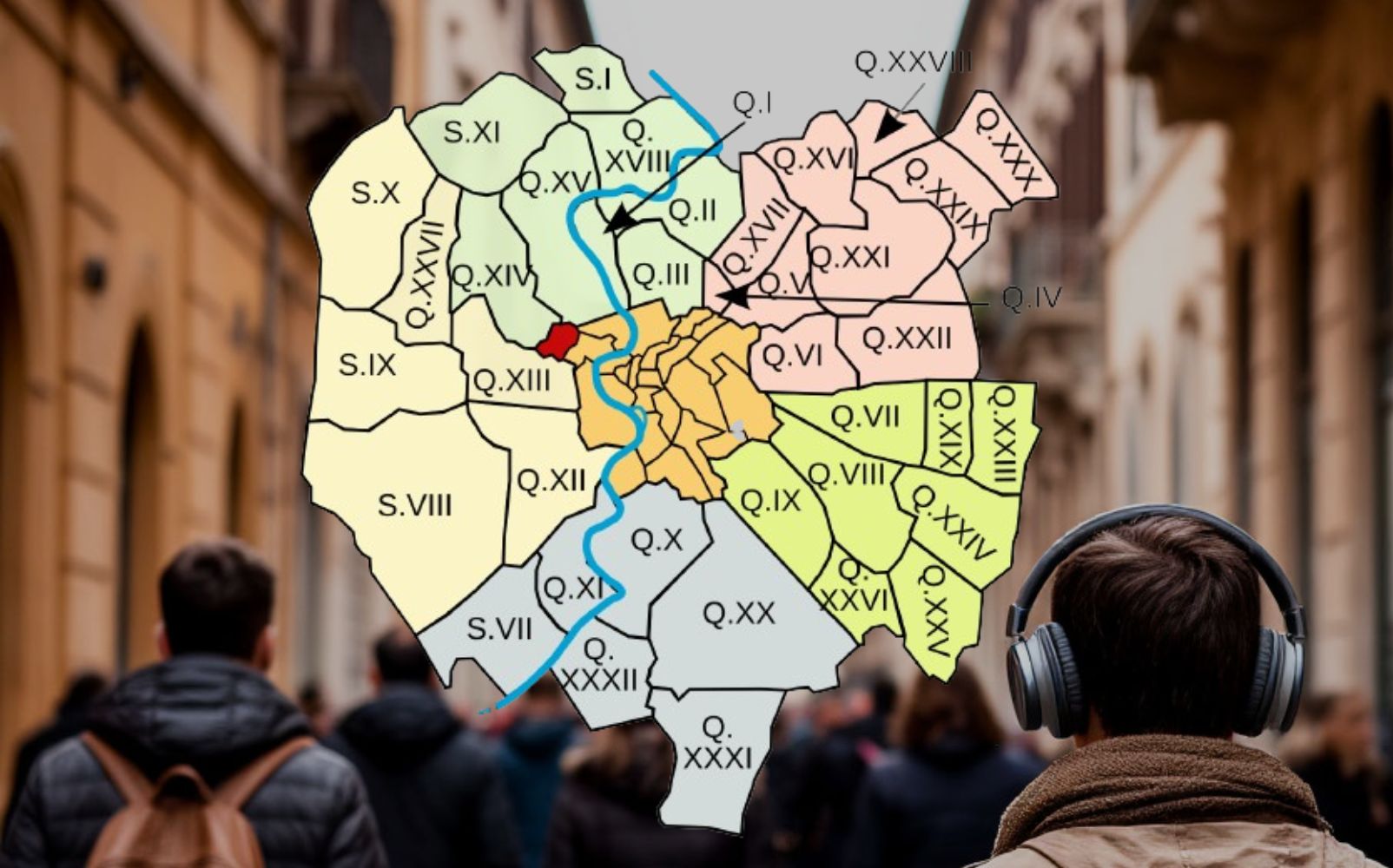
On the map, Rome is roughly divided into the historic center (Centro Storico) and the surrounding districts, each with its own charm, rhythm, and cultural identity. From ancient ruins and Renaissance palaces to lively piazzas and hidden gardens, every area offers something unique for curious travelers. Many of the places to visit in Rome are located within these compact areas—you can easily walk from one to another or reach them in minutes by metro, bus, or tram.
1. Aventino (Aventine Hill)
History and character:
One of Rome’s seven hills, traditionally home to patricians. Today it’s a prestigious residential area filled with embassies and monasteries.
What to see:
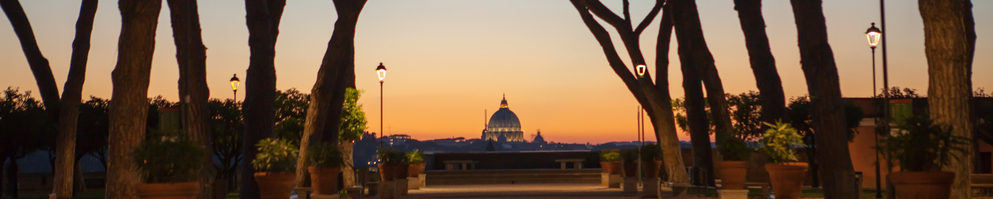
- Giardino degli Aranci (Orange Garden) with panoramic views of the city
- The famous Keyhole View at the Knights of Malta Square
- Basilica of Santa Sabina
Atmosphere:
Quiet and green, Aventine is perfect for romantic walks and peaceful escapes from the urban rush—visiting its gardens and hidden viewpoints is among the recommended things to do in Rome for those seeking tranquility.
2. Monti
History and character:
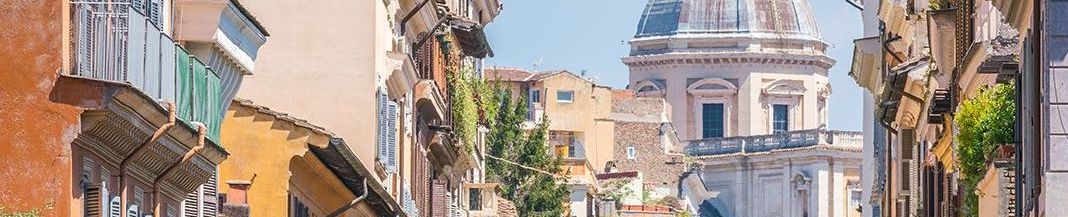
Situated between the Colosseum and Via Nazionale, Monti is one of Rome’s oldest neighborhoods, dating back to the Republic. Once a poor, crowded area, today it’s considered a touristy district of Rome—but one that still retains its authentic soul and local flavor.
What to see:
- San Pietro in Vincoli with Michelangelo’s statue of Moses
- Forum of Augustus and Trajan’s Forum
- Piazza della Madonna dei Monti – a social hub
Atmosphere:
Monti blends ancient charm with modern style: historic buildings coexist with designer boutiques and contemporary art galleries.
3. Prati

History and character:
Prati is one of the few Roman neighborhoods built in the 19th century with straight streets and wide avenues—unlike the older, chaotic quarters.
What to see:
- Castel Sant’Angelo
- Via Cola di Rienzo and Via Ottaviano for shopping
- Close proximity to the Vatican
Atmosphere:
Elegant and calm, Prati offers well-kept buildings, great shopping, and cafes far from the crowds. Though not always on standard Rome tours, it’s a favorite among those who want a more refined Roman experience.
4. Trastevere
History and character:
The name Trastevere comes from the Latin Trans Tiberim—“beyond the Tiber.” Once home to artisans and sailors, it has become one of Rome’s most picturesque districts.
What to see:
- Santa Maria in Trastevere – one of the must see churches in Rome, known for its golden mosaics and centuries-old foundations
- Villa Farnesina – a Renaissance villa with frescoes by Raphael
- Piazza Santa Maria in Trastevere – the heart of the neighborhood
Atmosphere:
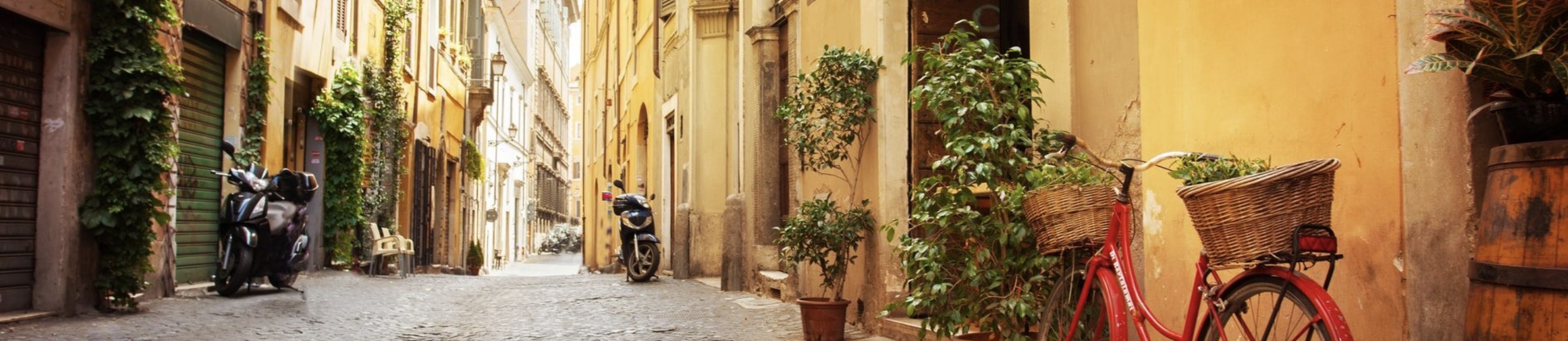
A maze of cobbled streets, blooming balconies, and charming squares. In the evening, it comes alive with music in cafes and the lively chatter in the alleys.
5. Campo de’ Fiori
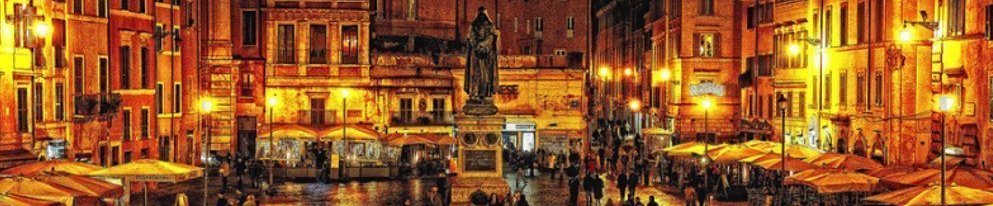
History and character:
The name means “Field of Flowers” and dates to when the area was a meadow in the Middle Ages. Later it became a site for executions (Giordano Bruno was burned here), and today it’s one of the liveliest spots in the center.
What to see:
- Daily fresh produce market
- Giordano Bruno Monument
- Charming medieval alleyways
Atmosphere:
Bustling with market life by day, Campo de’ Fiori transforms at night into a center of street life and vibrant nightlife.
6. Testaccio

History and character:
Testaccio grew around ancient Roman ports and the “Monte Testaccio”—a hill made from broken amphorae. It’s a historically working-class district that remains a culinary stronghold.
What to see:
- Porta Ostiensis Necropolis
- Pyramid of Cestius
- Mercato Testaccio (local market)
Atmosphere:
A paradise for food lovers. Testaccio is full of authentic Roman dishes and the spirit of non-touristy Rome.
7. Jewish Ghetto (Ghetto Ebraico)

History and character:
Founded in 1555 by papal decree, Rome’s Jewish Ghetto is one of the oldest in Europe and still preserves its cultural identity.
What to see:
- The Great Synagogue of Rome
- Portico of Octavia
- Theatre of Marcellus – a smaller version of the Colosseum
Atmosphere:
Quiet streets, ancient houses, and some of the best kosher restaurants create a unique blend of comfort and heritage.
How to Choose a Neighborhood to Explore?
Want to experience the charm of old Rome? Head to Trastevere.
Prefer elegant streets, stylish boutiques, and a quieter atmosphere? Prati may be the perfect choice.
Searching for authentic Roman cuisine and local flavors? Make your way to Testaccio.
Looking for creativity, hidden corners, and a vibrant cultural scene? Explore Monti and Aventine.
These are just a few of the best districts to stay in Rome. Each neighborhood offers a distinct personality, unique attractions, and its own way of revealing the Eternal City’s timeless appeal.
Choosing where to stay in Rome is about more than convenience—it’s about finding the atmosphere that matches your travel style. Whether you seek history, gastronomy, art, or local life, there’s a Roman district waiting to become part of your story.
In our upcoming articles, we’ll explore each of these neighborhoods in greater depth, along with several other areas that deserve a place on any guide to the best districts to stay in Rome.